
The Amazon vs Pantanal safari dilemma is one of the most common questions we hear from travelers planning a Brazil journey — and it is a genuinely difficult one, because both destinations are extraordinary and entirely different from each other. The Amazon envelops you in the world’s largest rainforest, where scale and immersion define the experience. The Pantanal opens up into a vast wetland where wildlife emerges freely, offering some of the most remarkable animal encounters on earth.
The choice comes down to what you most want to feel. This guide maps the differences — honestly and in detail — so you can arrive at the decision that fits your travel style, with complete confidence.
Amazon vs Pantanal Safari: The Core Difference
In a single sentence: the Amazon is about immersion; the Pantanal is about visibility. Everything else follows from this distinction.
The Amazon’s forest canopy closes above you, the rivers wind through vegetation so dense that wildlife is heard more often than seen. The Pantanal’s low, open landscape — the world’s largest tropical wetland, as documented by the World Wildlife Fund — places animals in full view, often at close range. If your primary goal is wildlife photography or the near-certainty of a jaguar sighting, the Pantanal wins clearly. If you are drawn to the feeling of being inside something ancient and vast, the Amazon is irreplaceable.
The Amazon: Immersion in the Planet’s Lungs
Entering the Amazon is unlike any other experience in travel. The forest closes around you — towering, dense, alive with sound — and the modern world quietly disappears. Rivers wind through vegetation that reflects sky like a mirror. This is a place where nature operates at a scale that humbles even the most experienced traveler.
Wildlife in the Amazon rewards patience and expert guidance. High in the canopy, troops of monkeys move through the branches; pairs of macaws cut across the sky; and at the water’s edge, pink river dolphins surface without warning. The Smithsonian Tropical Research Institute has documented over 40,000 plant species in Amazonian ecosystems — the biodiversity alone is staggering. Our Amazon journeys place naturalist guides at your side who can decode this complexity and turn it into a living story.
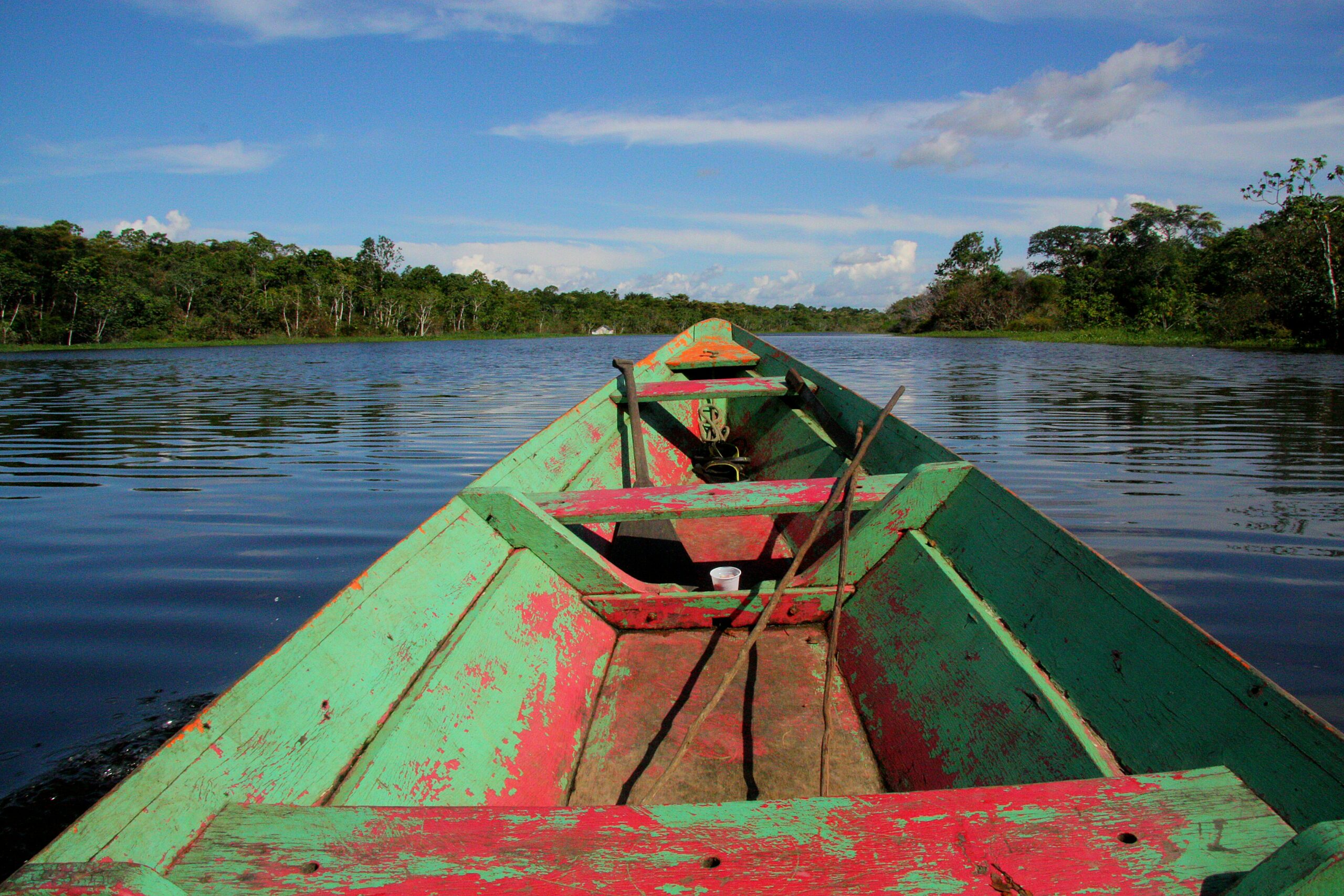
Luxury here means floating lodges and stilted eco-resorts where you wake to howler monkeys and step from air-conditioned comfort directly onto the river — the quiet heart of our Sanctuaries of Silence collection.
Choose the Amazon if you seek: spiritual immersion, deep biodiversity, Indigenous cultural encounters, or the extraordinary experience of the flooded forest by canoe.
The Pantanal: The World’s Premier Wildlife Safari
If the Amazon surrounds you with nature, the Pantanal reveals it. The open landscape — low vegetation, wide rivers, receding floodwaters — means animals are visible in a way that simply doesn’t exist in the Amazon. Caimans line the banks in their hundreds; capybaras wade unhurried through the shallows; giant anteaters cross the dry plains at dusk; and the hyacinth macaw — the world’s largest flying parrot — blazes blue against the green.
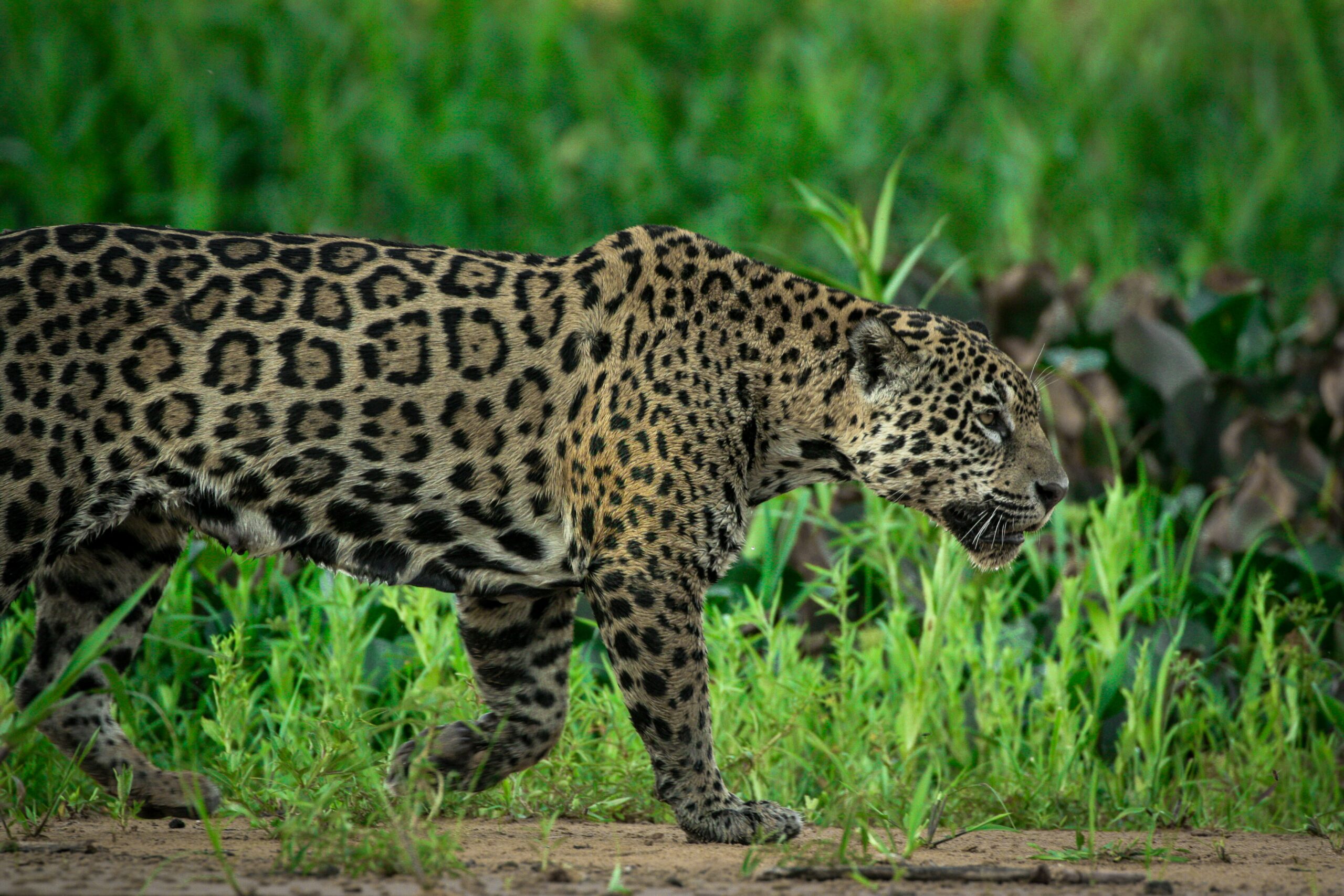
But the Pantanal’s headline act is the jaguar. This is the best place on earth to see the Americas’ largest cat in the wild, and during the dry season, sightings from quiet boats on the open rivers are genuinely frequent. The Pantanal’s ecological importance is recognised on the UNESCO World Heritage list. These encounters — unhurried, respectful, at close range — define the Pantanal wildlife safari and sit at the core of our Wild Explorations journeys.
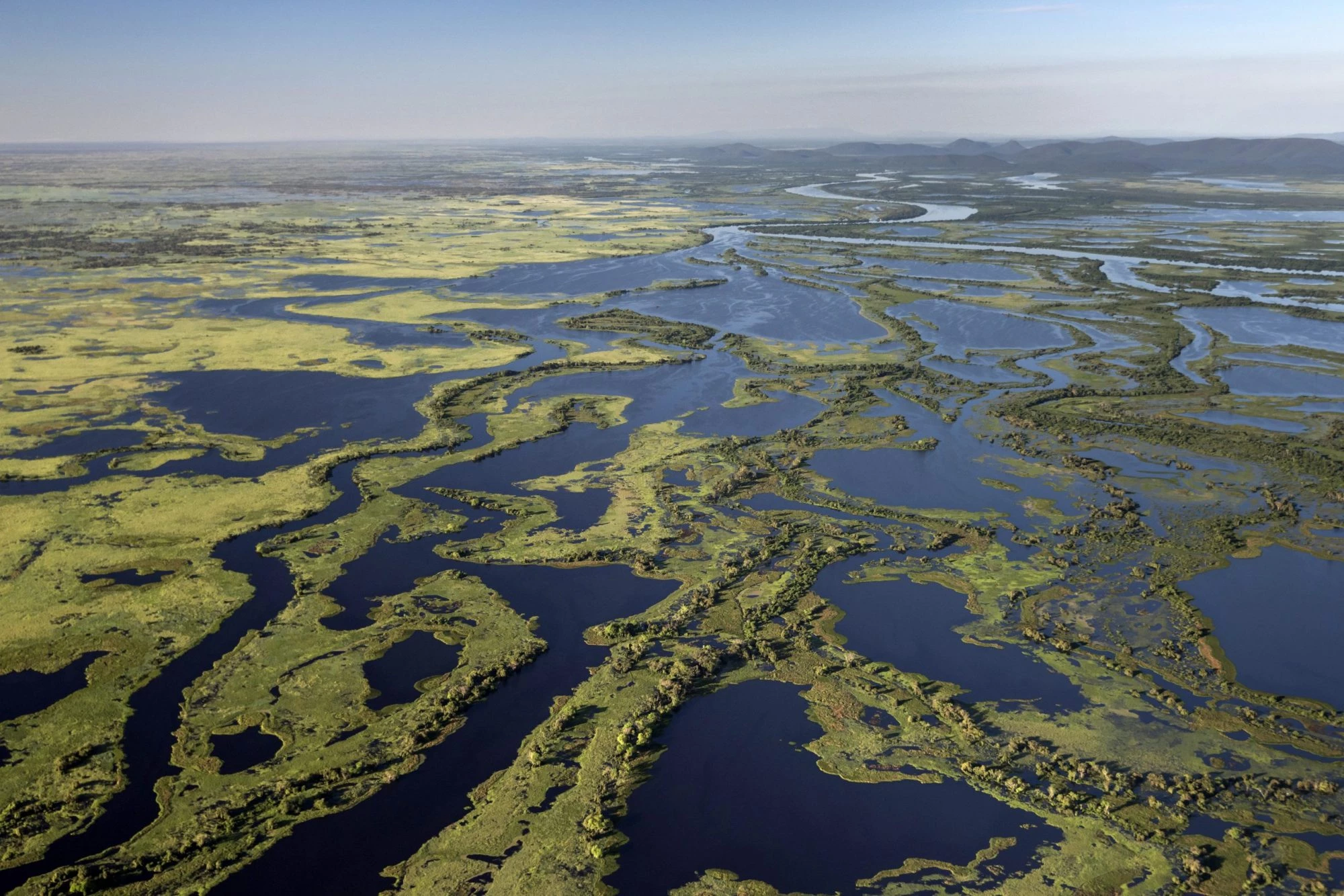
Choose the Pantanal if you seek: jaguar sightings, open-landscape wildlife photography, safari-style boat excursions, or the highest density of visible animals of any destination in South America.
Luxury Lodges in Both Destinations
A common misconception is that remoteness means sacrifice. In both the Amazon and the Pantanal, the finest properties combine genuine wilderness access with five-star comfort — air-conditioned suites, gourmet regional cuisine, private dining under the stars, and expert naturalist guides who speak your language and move at your pace.
Transfers between civilization and these lodges are handled by private plane or helicopter, eliminating long overland journeys and ensuring you arrive fresh. Many partner lodges hold sustainability credentials from the Global Sustainable Tourism Council — conservation and comfort, in genuine balance.
When to Go: Seasonality Matters
Timing your Amazon vs Pantanal safari correctly is as important as choosing between them.
Amazon: rewarding year-round, but with distinct seasonal characters. The high-water season (December–May) floods the forest and allows canoe journeys through the trees — magical and unique. The low-water season (June–November) reveals white-sand river beaches and opens more trails on foot.
Pantanal: the dry season from July to October is the clear peak for wildlife. As the floodwaters recede, animals concentrate around the remaining water sources and jaguar sightings reach their annual high. The wet season (December–March) is beautiful but disperses the animals across a vast flooded plain, making access harder and sightings less reliable.
The Best Option: Both
For travelers with 10 to 14 days, combining the Amazon and the Pantanal in a single journey delivers the full spectrum of Brazil’s wild. A private charter flight connects two destinations that are geographically distant but logistically seamless when planned well — you wake to the Amazon’s dawn chorus one morning and watch the Pantanal’s sunset from a boat the next.
It is, in our experience, the most complete wildlife journey Brazil offers — and the contrast between the two makes each feel more vivid. Start with our Amazon journeys and Pantanal experiences to see what each can look like.
Making Your Decision
Photographer or naturalist? Choose the Pantanal first. Seeker of immersion and cultural depth? The Amazon. Planning two weeks or more? Do both.
Our travel designers are the right people to talk this through with — they have been to both, know the lodges personally, and can show you exactly what each experience looks and feels like at the time of year you want to travel.
Design your Amazon vs Pantanal safari →
Frequently Asked Questions
What is the difference between the Amazon and the Pantanal?
The Amazon is a dense rainforest where the experience is defined by immersion, sound, and biodiversity — wildlife is abundant but often hidden in the canopy. The Pantanal is an open wetland where animals are visible at close range, offering safari-style encounters and the world’s best jaguar sightings.
Is the Amazon or the Pantanal better for wildlife?
For pure wildlife visibility and the likelihood of iconic sightings — especially jaguars — the Pantanal is generally considered superior. For biodiversity, cultural encounters, and the experience of the forest itself, the Amazon is unmatched.
When is the best time for a Pantanal vs Amazon safari?
The Pantanal peaks from July to October (dry season), when wildlife concentrates near water. The Amazon rewards visitors year-round, with the high-water season (December–May) offering flooded-forest canoe journeys and the dry season (June–November) opening trails and beaches.
Can you visit both the Amazon and Pantanal in one trip?
Yes. With 10 to 14 days and a private charter flight connecting the two, a combined Amazon and Pantanal journey is both logistically seamless and experientially extraordinary — the contrast between the two biomes makes each feel more vivid.